




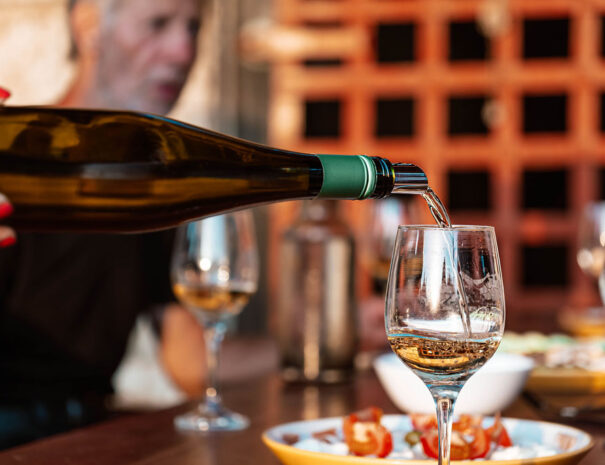

Let’s start with the Hungarian wine:
The world of hungarian wine is both ancient and excitingly modern. Hungary offers unique grape varieties and diverse wine regions that many travelers have yet to fully discover.
This article explores what Hungarian wine is, where it comes from, and why it deserves your attention. The short answer is simple: Hungarian wines are diverse, distinctive, and globally underrated.
If you want to understand the regions, grape varieties, and wine styles, this guide will walk you through everything step by step.
Hungary’s winemaking tradition dates back more than 2,000 years. The Romans already cultivated vineyards in the region, especially in western Hungary. During the Middle Ages, monasteries helped preserve and develop winemaking knowledge.
One of the most famous historical wines is Tokaji. It was known as the “wine of kings and the king of wines.” Even King Louis XIV praised it.
During the 20th century, wine production declined under socialism. However, after the political transition, Hungarian winemaking experienced a strong revival. Today, hungarian wine is once again gaining international recognition.
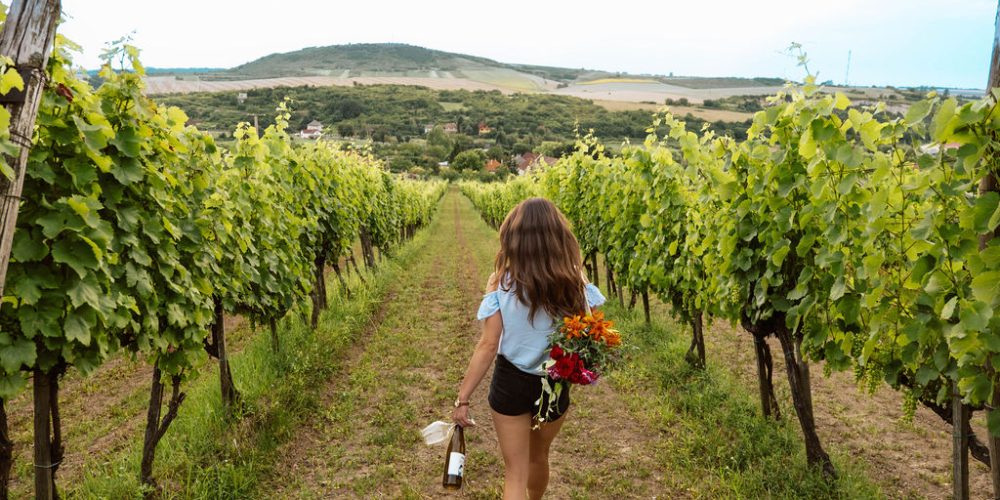
If you want to experience hungarian wine beyond just reading about it, joining a guided wine tasting tour is the best way to start. We organize wine tasting trips to several of Hungary’s most famous wine regions, giving you the chance to discover local flavors directly at the source. Good to know is that Hungary is a small country with lots of family owned cellars and wine fields. We drive maximum 2 hours and we reach the top Hungarian wine regions.
Our tours take you to destinations such as Tokaj, Eger, Villány, and the Balaton region. Along the way, you can visit traditional cellars, meet local winemakers, and taste a wide range of wines—from crisp whites to bold reds and legendary sweet Tokaji. Each experience is designed to be both educational and enjoyable.
Whether you are a beginner or a wine enthusiast, these tours offer a deeper understanding of Hungary’s wine culture. You will not only taste exceptional wines but also learn about the history, grape varieties, and winemaking traditions behind them.
For more information and booking details, visit:
Wine Tasting and Gastro Tours Near Budapest
Hungary has 22 official wine regions. Each region has its own climate and soil composition.
The country mainly has a continental climate, but many areas also feature volcanic soils. These contribute to the distinctive mineral character of the wines. Microclimates further enhance diversity.
Hungary is home to several native grape varieties that define its identity:
Tokaji Aszú is mainly made from Furmint grapes. It offers a rich flavor profile with honey, apricot, and citrus notes, balanced by vibrant acidity.
International grapes are also widely cultivated:
These varieties often express a unique Hungarian character due to local terroir.
Hungarian dry whites are typically fresh, crisp, and mineral-driven. Wines from the Balaton region are especially popular for their light and refreshing style.
The most iconic sweet wine is Tokaji Aszú.
Tokaji is often compared to Sauternes from France. However, Tokaji usually has brighter acidity and a lighter feel.
Hungarian red wines are diverse and expressive. One of the most famous is Egri Bikavér (Bull’s Blood).
It typically has flavors of cherry, spice, and sometimes a hint of pepper. It pairs perfectly with hearty dishes like stews and grilled meats.
Hungary is also gaining attention for sparkling and natural wines. These are especially trendy in urban wine bars, particularly in Budapest.
If you are new to Hungarian wine, start with these beginner-friendly options:
Hungarian red wines pair beautifully with:
These combinations enhance the wine’s spice and depth.
Hungary is an excellent destination for wine tourism. Most regions are easily accessible from Budapest, making them ideal for day trips.
If you’re planning your journey, explore this guide:
👉 Hungary travel guide
Learn more about the regions here:
👉 Hungarian wine regions (Wikipedia)
You may also enjoy:
Experiencing hungarian wine is about more than tasting. It’s about culture, landscapes, and unforgettable moments.
What is Hungary’s most famous wine?
Tokaji Aszú is the most famous Hungarian wine worldwide.
Is Hungarian wine sweet or dry?
Both styles exist. Hungary produces excellent dry and sweet wines.
Is Tokaji the same as Tokay?
Not exactly. Tokaji is a protected Hungarian designation.
Are Hungarian wines good quality?
Yes, many Hungarian wines are internationally recognized for their quality.

Hungary is famous for its thermal baths, historic cities, and rich culinary traditions. One local specialty that every visitor should know is the palinka drink. This traditional fruit brandy is much more than a strong alcoholic beverage. It is a symbol … Read More

Budapest, the captial of Hungary and of thermal baths There is a quiet magic that happens when you step into Budapest. The city speaks to you through its grand stone architecture, the gentle hum of the Danube River, and a … Read More

When most travelers think about Budapest, iconic landmarks such as the Parliament Building, Fisherman’s Bastion, and the famous thermal baths usually come to mind. Yet many visitors are surprised to discover that one of the city’s greatest treasures lies just … Read More