


Hungarian cuisine has a way of warming not just the body, but the heart. Tasting these dishes feels like stepping into a tradition that invites you to slow down and savor the moment. In Hungary, food is more than nourishment—it is comfort, memory, and a quiet celebration of life.
Discovering Hungarian food is one of the most exciting parts of visiting Hungary. Many travelers come with curiosity about the country’s rich culinary heritage. They want to know what to eat, where to start, and which traditional dishes define local cuisine.
This article helps you explore the flavors, ingredients, and customs behind the most iconic meals. Hungarian food is hearty, flavorful, and absolutely worth exploring for first-time visitors.
The foundation of traditional cuisine begins with paprika. This bright red spice defines color and flavor in classic dishes. It comes in sweet, hot, and smoked versions. Each type creates a slightly different character.
Meat is another essential ingredient. Pork, beef, and poultry appear frequently in everyday meals. Bread also holds symbolic meaning. Fresh loaves accompany soups, stews, and spreads. Dairy products add richness. Sour cream, cottage cheese, and butter soften the intensity of spices.
Root crops complete the picture. Potatoes, onions, carrots, and celery form the base of many soups. These simple ingredients carry deep tradition. They help preserve the rustic character of classic meals.
Wine is a ferect fit for Hungarian food. If you want to learn more about local wines, especially about the Etyek wine region, check out our guide.



Hungarians appreciate food that comforts and nourishes. Meals often include warm dishes prepared with care. Portion sizes are generous, and hospitality runs deep. Eating together remains an important social experience.
Family meals create connection. Recipes pass from generation to generation. Sunday lunch is especially meaningful. It usually includes soup, a filling main dish, and dessert. Many households still cook traditional meals on weekends.
Soups are a cornerstone of local cuisine. Lunch almost always begins with a warm bowl. Options range from light vegetable soups to rich broths with paprika. A good soup prepares the stomach and sets the tone of the meal.
Street food is simple and full of character.
Popular choices include:
You will find these treats at festivals, markets, and city squares.
Since Budapest has several Michelin star restaurants it is more and more popular to eat at a luxury finde dining place.
Hospitality is part of national identity. Guests are welcomed with large servings and warm smiles. Restaurants follow this spirit. You will never leave hungry, and you will always feel cared for.
These dishes represent the heart of the culinary tradition. They highlight paprika, slow cooking, and hearty flavors.
Goulash is a legendary soup. It is made with beef, paprika, potatoes, and vegetables. The broth is warm and comforting. It is perfect after a long day of exploring.
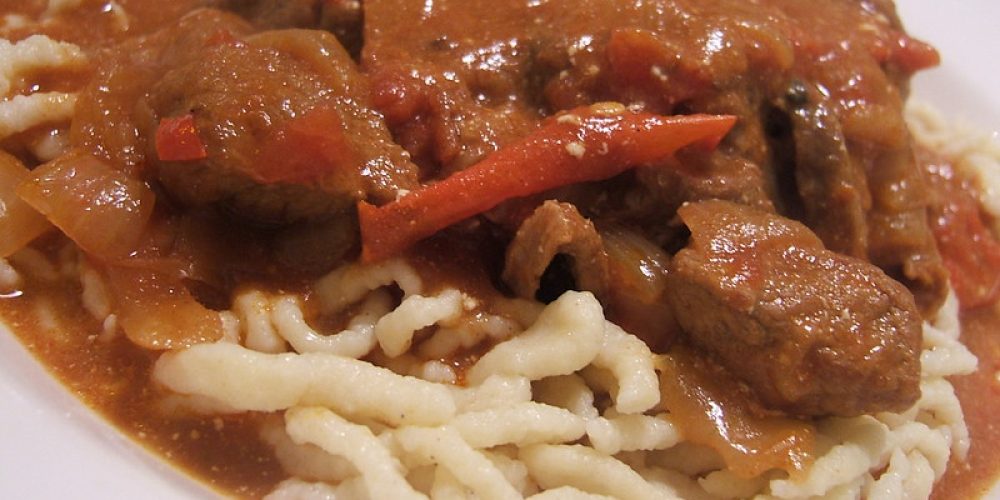
Pörkölt is a thick meat stew. It has a deep paprika flavor. Nokedli dumplings absorb the sauce well. This dish is simple, rustic, and very satisfying.
Chicken paprikash combines tender meat with creamy sauce. Sour cream gives the dish smoothness. It is mild yet rich. It pairs perfectly with nokedli.
Stuffed cabbage is especially popular in winter. Cabbage leaves are filled with rice and meat. They are cooked slowly in a seasoned sauce. The taste is comforting and traditional.
Fisherman’s soup is spicy and bold. It is often made with carp or catfish. The broth is full of paprika. It is common along the Danube River and the Tisza River.
Lecsó is a vegetable dish with peppers, tomatoes, and onions. It can be eaten on its own or with sausage. It tastes best in summer when vegetables are fresh.
For more culinary inspiration, you can browse our Hungarian recipes.
Hungarian desserts blend history with indulgence. They reflect the influence of Central European pastry traditions.
This sweet spiral pastry is baked over glowing embers. Sugar caramelizes on the outside. It is crisp on the surface and soft inside.
Dobos cake is famous for its caramel top. It has multiple layers of sponge and chocolate cream. It is elegant and timeless.
This walnut cake has delicate buttercream layers. It is finished with a marbled icing. It is often found in traditional cafés.
Strudel features thin, stretched dough. Fillings include apple, cherry, cottage cheese, or poppy seed. It is a light yet flavorful dessert.
This layered dessert mixes sponge cake, cream, rum flavor, and chocolate sauce. It is rich and festive.
Zserbó has layers of walnut and apricot jam. A chocolate glaze completes the cake. It is a holiday favorite.
Palacsinta is thin and soft. It can be filled with cocoa, jam, or cottage cheese. It is a common dessert in homes and restaurants.
This sweet dish uses sliced rolls soaked in milk. Ground poppy seeds cover the top. Vanilla custard is often added.
This chilled bar has a cottage cheese filling wrapped in chocolate. It is simple and refreshing. This is not a home-made dessert, you can find this in every supermarket.
This Christmas candy is wrapped in colorful foil. Flavors vary widely. It decorates holiday trees every year.
Many dishes pair well with wine. Tokaji wine offers sweet notes that complement desserts. Egri Bikavér is a robust red that suits stews. Pálinka is a strong fruit brandy served on special occasions. Local craft beers are also becoming popular.
Hungarian cuisine offers several vegetarian options. Lecsó without sausage is a common choice. Mushroom paprikash provides a rich, meat-free alternative. Cheese-filled pastries and vegetable soups are also widely available. Many restaurants now include vegetarian and vegan menus.
Paprika became central to cooking in the 18th and 19th centuries. Farmers cultivated it widely due to its color and flavor. It gradually replaced earlier spices and became a national symbol. Today it represents identity and tradition in many classic dishes.
For newcomers, Hungarian food is warm, bold, and deeply comforting. Most dishes focus on simple ingredients prepared with care. Paprika gives meals their characteristic color and flavor. Portions are hearty, and desserts carry nostalgic sweetness.
Dining in Hungary reveals more than taste. It shows family heritage and cultural pride. Visitors often feel welcomed through the generosity of local meals. Food becomes a bridge to understanding daily life and history.
Did you like this article? Save it to your bookmarks so you can return to it anytime.
The most famous Hungarian dish is goulash, known locally as gulyás. It is a warm, paprika-based soup made with beef, vegetables, and spices. Travelers often choose it as their first traditional meal because it perfectly represents Hungarian flavors.
Hungarian food is flavorful rather than extremely spicy. Paprika gives dishes a deep color and a gentle heat. Some regional meals, such as halászlé (fisherman’s soup), can be hot, but most everyday dishes are mild and aromatic.
Breakfast in Hungary is usually simple and savory. People often eat bread with cold cuts, cheese, vegetables, and spreads. Pastries like kifli or sweet rolls also appear, and coffee or tea is a standard part of the morning routine.
Hungarian cuisine shares some Central European influences with German and Austrian food, but it has its own distinct character. The strong use of paprika, hearty soups, and sour-cream-based dishes sets it apart. While there are similarities, the flavors and preparation methods in Hungary feel unique.
Yes, several traditional dishes can be enjoyed without meat. Lecsó made without sausage, mushroom paprikash, and various vegetable soups are common choices. Modern restaurants also offer many vegetarian and vegan adaptations of classic meals.
Traditional meals pair well with wines like Egri Bikavér or Tokaji dessert wine. Pálinka is often served on festive occasions. Craft beers and locally produced fruit juices also complement the flavors of national dishes.
Yes, desserts have a special place in Hungarian cuisine. Cakes like Dobos, Eszterházy, and Zserbó are classic favorites. Simple treats such as palacsinta (pancakes) or Túró Rudi are also part of everyday life.
Absolutely. Most restaurants offer classic dishes such as goulash, pörkölt, and chicken paprikash. Traditional food markets and family-run eateries provide even more authentic experiences.

Hungary is famous for its thermal baths, historic cities, and rich culinary traditions. One local specialty that every visitor should know is the palinka drink. This traditional fruit brandy is much more than a strong alcoholic beverage. It is a symbol … Read More

Budapest, the captial of Hungary and of thermal baths There is a quiet magic that happens when you step into Budapest. The city speaks to you through its grand stone architecture, the gentle hum of the Danube River, and a … Read More

When most travelers think about Budapest, iconic landmarks such as the Parliament Building, Fisherman’s Bastion, and the famous thermal baths usually come to mind. Yet many visitors are surprised to discover that one of the city’s greatest treasures lies just … Read More