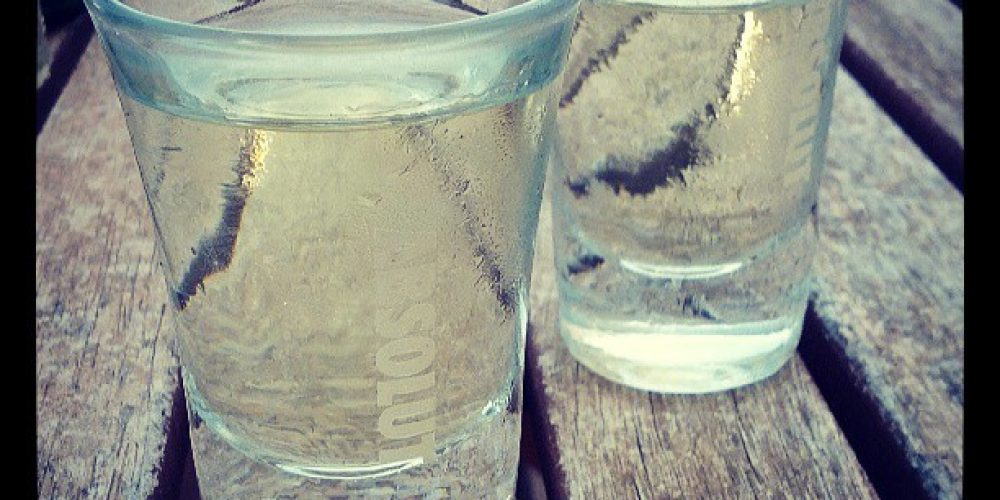
Hungary is famous for its thermal baths, historic cities, and rich culinary traditions. One local specialty that every visitor should know is the palinka drink. This traditional fruit brandy is much more than a strong alcoholic beverage. It is a symbol of hospitality, family traditions, and Hungarian culture. In this guide, you will discover what makes palinka drink so special, how to enjoy it responsibly, and where to experience it during your trip to Hungary.
Palinka Quick Facts
If you are visiting Hungary for the first time, you will probably hear about pálinka sooner or later. Locals proudly consider it Hungary’s national spirit. It is often offered to guests as a welcome drink or served during family celebrations.
Unlike many fruit spirits, authentic Hungarian pálinka is made exclusively from fruit. No artificial flavourings, sugar, or neutral alcohol may be added after distillation. This gives every bottle its own authentic character.
Pálinka is protected by European Union geographical indication rules. Only fruit spirits produced according to strict legal requirements can legally use the name “pálinka.” You can learn more about protected Hungarian products on the European Commission’s Geographical Indications register:
https://agriculture.ec.europa.eu/farming/geographical-indications-and-quality-schemes_en
Here are some quick facts every traveller should know:
- Origin: Hungary (and a few protected regions of Austria)
- Main ingredient: 100% fruit
- Typical alcohol content: 37.5% to 50% ABV
- Serving temperature: usually 18–20°C
- Most common fruits: apricot, plum, pear, cherry, apple and quince
- Protected by EU geographical indication regulations
Palinka is not simply another fruit brandy. It reflects the quality of Hungarian fruit and centuries of craftsmanship. Every region produces slightly different styles depending on its local orchards.
Many visitors are surprised to learn that Hungary has a dedicated Pálinka Festival almost every year. These events allow visitors to sample products from dozens of distilleries. They also provide an excellent opportunity to meet producers and learn about local traditions.
The quality of the fruit is the most important factor in producing excellent pálinka. Distillers often say that outstanding fruit creates outstanding pálinka. This is why producers carefully select fully ripe fruit before the production process begins.
Culture of Palinka
Palinka is deeply connected to Hungarian identity. It has accompanied important family events for generations. Weddings, birthdays, Christmas celebrations and village festivals often include a toast with pálinka.
For many Hungarians, offering a small glass of pálinka is a gesture of respect and friendship. Refusing politely is perfectly acceptable, especially if you do not drink alcohol. However, accepting the offer often opens the door to interesting conversations with local people.
Unlike cocktails or mixed drinks, pálinka is traditionally enjoyed on its own. Its aroma is considered just as important as its taste. Locals often recommend taking a moment to smell the spirit before the first sip.
Different regions have developed their own favourite fruit varieties. Eastern Hungary is famous for its plum and apricot pálinka. Other regions are known for pears, cherries or apples. This diversity makes tasting different varieties an enjoyable experience during your travels.
Pálinka also plays an important role in Hungarian gastronomy. Many restaurants recommend specific fruit varieties to accompany certain dishes. Apricot pálinka pairs well with poultry dishes, while plum pálinka often complements hearty traditional meals.
Today, many young distilleries combine traditional methods with modern technology. They focus on premium quality rather than large-scale production. As a result, Hungary now offers many award-winning artisan producers whose products are appreciated around the world.
Visitors who want to understand Hungarian culture should not think of pálinka as simply a strong drink. It represents agriculture, craftsmanship, family traditions and regional identity all at once. That combination makes it one of the country’s most authentic gastronomic experiences.
How palinka is made
Authentic palinka begins with carefully selected fruit. Only healthy and fully ripe fruit is suitable for producing high-quality spirits. Producers wash the fruit, remove stones where necessary, and crush it into a fruit mash.
The mash is left to ferment naturally. During fermentation, yeast converts the fruit sugars into alcohol. This process usually takes several days, although the exact timing depends on the type of fruit and the temperature.
How the distillation process works
After fermentation, the fruit mash is distilled in copper pot stills or modern column stills. Distillation separates alcohol and aromatic compounds from the fermented fruit. Skilled distillers carefully remove the first and last fractions because they contain unwanted compounds.
Only the middle fraction, often called the “heart,” becomes palinka. This part contains the cleanest alcohol and the richest fruit aromas. The spirit is then rested, diluted if necessary, and bottled, or aged in wooden barrels for selected styles.
The careful distillation process explains why premium pálinka has such intense fruit character. Every step requires experience and precision. Even small mistakes can affect the final flavour.
How to drink palinka
There is no single “correct” way to enjoy palinka, but locals usually follow a few simple customs. A quality spirit deserves a little patience. Drinking it too quickly means missing many of its aromas.
The ideal serving temperature is around 18–20°C. Very cold pálinka loses much of its fruity fragrance. Room temperature allows the natural aromas to develop and creates a much richer tasting experience.
If you are attending a tasting, you will often receive the spirit in a tulip-shaped glass. This shape helps concentrate the aromas near the top of the glass. Before taking your first sip, gently swirl the liquid and smell it.
A traditional tasting usually follows these simple steps:
- Observe the colour, especially if the palinka has been aged.
- Smell the fruit aromas before drinking.
- Take a small sip rather than a large mouthful.
- Let the spirit coat your tongue for a few seconds.
- Notice how the fruit flavours continue after swallowing.
Good palinka should taste smooth despite its high alcohol content. You should clearly recognise the fruit from which it was made. A premium apricot pálinka should remind you of fresh apricots rather than pure alcohol.
Many visitors wonder whether palinka is consumed before or after meals. The answer depends on the occasion. Some Hungarians enjoy a small glass as an aperitif, while others prefer it after dinner as a digestif. Both traditions are common.
Food pairing has also become increasingly popular. Modern restaurants often recommend specific varieties alongside Hungarian dishes. Pear pálinka pairs nicely with lighter meals, while plum and quince varieties complement richer flavours.
”Rules” of palinka
Although palinka is an informal part of Hungarian hospitality, there are a few unwritten rules. Knowing them will help you enjoy the experience like a local.
First, never rush the drink. Palinka is not meant to be consumed as quickly as a party shot. It is appreciated for its aroma and craftsmanship.
Second, quality matters far more than quantity. Hungarians often prefer one excellent glass instead of several average ones. A carefully produced artisan pálinka offers much greater complexity.
Third, respect the producer’s work. Every bottle represents months of preparation, from growing the fruit to fermentation and distillation. Appreciating the flavours is considered part of respecting that effort.
Visitors should also remember that everyone has different preferences. Some people love apricot, while others prefer plum or cherry. There is no universally “best” flavour.
One more practical rule is especially important.
Palinka is strong so watch out
Palinka usually contains between 37.5% and 50% alcohol. Some special editions can be even stronger. Because of this, first-time visitors should drink slowly and responsibly.
Its smooth fruit flavour can sometimes hide its high alcohol content. Even experienced wine drinkers may be surprised by its strength. Drinking water between tastings is always a good idea.
If you plan to visit several tasting rooms or bars during the same day, consider sharing tastings with your travel companions. This allows you to experience more varieties while drinking responsibly.
Never drink before driving in Hungary. Hungarian drink-driving laws are very strict and generally apply a zero-tolerance policy for alcohol while driving.
The tradition of homemade palinka
Homemade palinka has a long history in Hungary. For centuries, families used fruit from their own orchards to produce spirits for personal celebrations. Plum trees, apricot trees and pear orchards often supplied enough fruit for both eating and distillation.
Many rural families still collect fruit together during late summer and autumn. The harvest itself is often a social event. Friends and relatives help gather fruit before fermentation begins.
Hungarian law regarding home distillation has changed several times over the years. Current regulations include specific legal conditions and tax requirements for private distillation. Visitors should therefore avoid assuming that every homemade bottle has been produced under identical rules. The latest information is available from Hungary’s National Tax and Customs Administration:
https://nav.gov.hu/
Homemade palinka is often surrounded by friendly family competition. Many people proudly claim that their grandfather or uncle produces the finest plum or apricot spirit in the region. These conversations are part of Hungarian hospitality and are usually enjoyed with a smile.
Although homemade palinka can be excellent, tourists should also consider visiting licensed commercial distilleries. These producers offer guided tastings, explain the production process and maintain consistent quality standards.
Key Characteristics of palinka
Palinka stands out because it expresses the natural flavour of fresh fruit. Unlike flavoured spirits, the fruit character comes directly from fermentation and distillation. Nothing artificial is added to create the aroma.
Another defining characteristic is balance. Premium pálinka combines noticeable alcohol strength with elegant fruit notes. A well-made spirit should feel clean, smooth and long-lasting on the palate.
The choice of fruit has an enormous influence on the final result. Climate, soil and harvest conditions all contribute to subtle differences in flavour. Even two apricot pálinkas from different regions may taste surprisingly different.
Some varieties are bottled shortly after resting in stainless steel tanks. Others spend months or even years ageing in wooden barrels. This creates additional complexity and introduces notes of vanilla, spice and dried fruit.
Modern Hungarian distilleries often produce limited editions using rare fruit varieties. These bottles appeal to collectors and enthusiasts who enjoy discovering new flavours every year.
Flavours of palinka
One of the greatest pleasures of tasting pálinka is exploring its wide range of fruit flavours. Every variety reflects the characteristics of the original fruit. Some are fresh and floral, while others are rich and full-bodied.
The most popular flavours include:
- Apricot – sweet, fragrant and one of Hungary’s best-known styles.
- Plum – rich, smooth and deeply traditional.
- Pear – elegant with delicate floral notes.
- Sour cherry – slightly tart and refreshing.
- Apple – crisp with gentle sweetness.
- Quince – aromatic with spicy undertones.
- Raspberry – rare, intense and highly prized.
Seasonal conditions also influence flavour. Fruit harvested during a warm, sunny summer often develops higher sugar content. This can create a richer and more aromatic final spirit.
Many tasting rooms encourage visitors to compare several fruit varieties side by side. This makes it much easier to appreciate the remarkable diversity of Hungarian pálinka.
Styles of palinka
Not every bottle of pálinka tastes the same. Producers create several different styles depending on production techniques and ageing.
The most common style is fresh, unaged pálinka. It highlights bright fruit aromas and a clean finish. This is the version most visitors will encounter first.
Aged palinka spends time in wooden barrels before bottling. Oak is commonly used, although other woods may also appear. Ageing softens the spirit and adds deeper layers of flavour.
Some premium bottles are labelled as vintage or single-fruit selections. These products emphasise exceptional harvests or carefully selected fruit from a particular growing season.
Collectors may also encounter limited editions from small artisan distilleries. These bottles are often produced in very small quantities and can be difficult to find outside Hungary.
Exploring different styles is part of the experience. Even travellers who think they already know fruit brandy are often surprised by the elegance and complexity that Hungarian pálinka can offer.
Where to experience palinka in Budapest
Budapest is one of the best places to discover authentic pálinka. The city combines traditional markets, specialty shops, cocktail bars and professional tasting venues. Whether you are visiting for a weekend or a longer holiday, you will find plenty of opportunities to learn more about Hungary’s national spirit.
A guided tasting is often the best introduction. Knowledgeable staff explain the differences between fruit varieties, production methods and ageing styles. You can compare several samples and discover which flavour suits your taste best.
Many restaurants also include pálinka on their drinks menu. Ordering a small glass after dinner is a pleasant way to finish a traditional Hungarian meal. If you are unsure which variety to choose, simply ask for a recommendation.
Remember that responsible drinking makes the experience much more enjoyable. There is no need to try every flavour in one evening. Hungary’s pálinka culture is about quality and appreciation rather than quantity.
Market Halls
Budapest’s historic market halls are excellent places to experience Hungarian food culture. Alongside fresh produce, spices and traditional sweets, many vendors sell locally produced pálinka from licensed distilleries.
The most famous destination is the Great Market Hall. Here, visitors can browse regional products from all over Hungary. Some specialty shops offer beautifully packaged bottles that make excellent souvenirs.
Smaller market halls across the city can also be worth visiting. They often stock products from nearby producers that may not be available in larger tourist shops.
When buying a bottle, always look for proper labelling. Authentic pálinka should clearly state the producer, fruit variety and alcohol content. Quality producers are proud to provide detailed information about their products.
You can find more visitor information about Budapest’s markets on the official tourism website:
https://visithungary.com/
Our pick: Best bars/tastings in Budapest for palinka
If you would like to taste several styles before buying a bottle, Budapest offers many excellent options.
Some of the most popular choices include:
- Boutiq’Bar – famous for creative cocktails and an impressive selection of Hungarian spirits.
- Élesztő – one of Budapest’s best-known craft beverage venues with occasional Hungarian spirit selections.
- First-class hotel bars that feature premium Hungarian products.
- Licensed tasting rooms operated by local distilleries.
- Food and wine festivals held throughout the year.
Many organised food tours also include a palinka tasting as part of the programme. This allows visitors to combine local cuisine with expert explanations about Hungarian drinking traditions.
If your visit coincides with a gastronomic festival, consider attending a dedicated pálinka event. Producers from across Hungary gather to present their newest releases. These festivals offer an excellent opportunity to taste rare fruit varieties that may not be available elsewhere.
Reservations are recommended for guided tastings, especially during the busy tourist season. Smaller groups often provide a more personal experience and allow more time for questions.
Practical Tips for 2026 Visitors
Planning ahead will help you enjoy your first pálinka experience even more. A few simple tips can make your visit smoother and safer.
First, choose quality over price. The cheapest bottle is rarely the most memorable one. Spending a little more usually results in much better fruit character and craftsmanship.
Second, do not be afraid to ask questions. Hungarians are generally proud of their culinary traditions. Many shop owners and bartenders enjoy explaining the differences between fruit varieties and production methods.
Third, drink responsibly throughout your trip. A small tasting is often enough to appreciate the complexity of the spirit. Staying hydrated and eating before tasting are both good ideas.
Finally, consider bringing a bottle home as a souvenir. Authentic pálinka makes a meaningful gift for friends who enjoy discovering local traditions.
Buy a bottle of palinka to take home
Many visitors decide to purchase a bottle before leaving Hungary. Airport duty-free shops, specialty liquor stores and licensed producers all sell authentic Hungarian pálinka.
Before packing your purchase, remember the airline security rules. If you carry liquids in your hand luggage, individual containers are generally limited to 100 ml and must fit inside the permitted transparent liquids bag. Full-sized bottles should therefore be packed in checked baggage unless they are purchased after airport security in the duty-free area.
If you buy alcohol at the airport after passing through security, keep it sealed in the official duty-free bag whenever possible. Always check your airline’s regulations and the customs rules of your destination country before travelling.
You can find the latest passenger security information on the official Budapest Airport website:
https://www.bud.hu/en
A carefully chosen bottle is more than just a souvenir. It is a reminder of Hungarian hospitality, beautiful landscapes and unforgettable travel experiences.
Hungary offers countless memorable experiences, from historic castles to thermal spas and world-famous cuisine. Tasting authentic pálinka adds another dimension to that journey. It allows visitors to connect with local traditions, meet passionate producers and better understand Hungarian hospitality.
Whether you prefer sweet apricot, rich plum or elegant pear, every bottle tells a story about the country’s orchards and generations of craftsmanship. Enjoy it slowly, drink responsibly and let every sip become part of your Hungarian adventure.
Did you like this article? Save it to your bookmarks so you can return to it anytime.
Frequently Asked Questions
What exactly is palinka?
Pálinka is a traditional Hungarian fruit spirit made exclusively from fruit through fermentation and distillation. Authentic pálinka follows strict production rules protected by European legislation.
Is palinka the same as brandy?
Not exactly. Although it belongs to the fruit brandy family, authentic Hungarian pálinka has its own legal definition and production requirements.
How strong is palinka?
Most bottles contain between 37.5% and 50% alcohol by volume. Some premium or special editions may be even stronger.
Which flavour should I try first?
Apricot and plum are excellent starting points because they are among the most traditional and widely appreciated varieties.
Can I visit a palinka distillery?
Yes. Several licensed distilleries welcome visitors and organise guided tours with tastings. Booking in advance is recommended.
Is homemade palinka legal?
Home distillation is regulated by Hungarian law and specific legal requirements apply. Visitors should purchase from licensed producers if they want guaranteed quality and proper labelling.
Can I take palinka home on the plane?
Yes, but full-sized bottles should usually travel in checked baggage. Liquids in hand luggage are generally limited to containers of up to 100 ml unless purchased in the airport duty-free area after security screening.
Is palinka served with meals?
It can be enjoyed before a meal as an aperitif or after dinner as a digestif. Both traditions are common in Hungary.
Is it polite to refuse palinka?
Yes. A friendly and respectful refusal is perfectly acceptable if you do not drink alcohol.
Where can I buy authentic palinka?
Licensed liquor stores, specialty shops, reputable market vendors and airport duty-free shops are all good choices. Always check that the bottle is properly labelled and produced by a recognised distillery.